

copper aluminum busbar assembly
A copper aluminum busbar assembly is an engineered electrical conduction solution designed to combine the advantages of both copper and aluminum materials in a single system. It is widely used in power distribution, switchgear, transformers, battery systems, renewable energy equipment, and industrial electrical installations where high current transfer, compact structure, and reliable performance are required. By integrating copper and aluminum, the assembly achieves a balance between conductivity, weight, cost, and mechanical strength.The copper portion of the busbar assembly is typically used in areas where excellent electrical conductivity, strong oxidation resistance, and low contact resistance are essential. Copper has long been recognized as one of the best conductive materials for electrical applications. It provides stable current flow, excellent thermal performance, and high reliability under demanding operating conditions. The aluminum portion, on the other hand, offers a significant advantage in terms of lighter weight and lower material cost. Aluminum is especially suitable for applications where reducing overall system weight is important, such as energy storage systems, electric vehicles, and large-scale power equipment.A copper aluminum busbar assembly is usually manufactured through advanced joining technologies to ensure a secure and durable connection between the two metals. Since copper and aluminum have different physical and chemical properties, special care is required during production to prevent issues such as galvanic corrosion, loose joints, or poor conductivity. Common methods include friction welding, explosion welding, riveting, cladding, and precision mechanical fastening. These processes help create a stable bond that maintains electrical performance over long-term operation.The design of the assembly is often customized according to the application. Thickness, width, hole positions, surface treatment, and insulation requirements can be adjusted to match different current ratings and installation environments. In many cases, the copper contact area is specially treated with tin plating, nickel plating, or other anti-oxidation coatings to improve durability and reduce maintenance needs. The aluminum section may be anodized or coated to enhance corrosion resistance and appearance.One of the main benefits of a copper aluminum busbar assembly is its efficient use of materials. Instead of using pure copper throughout the entire system, the assembly places copper only where high-performance electrical contact is needed and uses aluminum in sections where lower weight and reduced cost are more important. This approach supports both economic and technical advantages. It can also improve thermal management by allowing heat to be distributed more evenly across the structure.In practical use, the assembly must deliver excellent mechanical stability, low resistance, and long service life. It should withstand vibration, temperature changes, humidity, and repeated electrical loading without losing performance. For this reason, quality control is critical during manufacturing. Testing may include conductivity measurement, pull strength testing, thermal cycling, and corrosion resistance inspection.Overall, a copper aluminum busbar assembly is a smart and efficient solution for modern electrical systems. It combines the superior conductivity of copper with the light weight and cost benefits of aluminum, making it suitable for a wide range of high-performance power applications.
Products
Category:
-
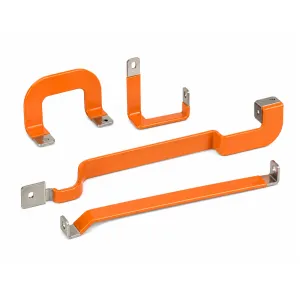
Copper-Aluminum Busbar Assembly for ESS Systems
Category: Energy Storage Metal PartsBrowse number: 105Number:Release time: 2026-07-23 15:59:20This copper-aluminum busbar assembly is developed for high-current electrical connection and power distribution applications where conductivity, weight control, structural fit, and long-term stability are all important. It can be customized for energy storage systems, EV battery packs, industrial power cabinets, control panels, and electrical distribution equipment. The copper-aluminum structure helps balance electrical performance and lightweight design, while OEM processing options allow the busbar to match different installation layouts and current requirements.
News
Category:
No search results found!
Case
Category:
No search results found!
Video
Category:
No search results found!
Download
Category:
No search results found!
Job
Category:
No search results found!
Featured Products
No search results found!



 Phone
Phone